
Medical debt on a credit report can cost you a mortgage, raise your car insurance premium, and follow you for years. And the rules governing whether medical debt belongs on your credit report at all have changed dramatically in the past two years -- in ways that many consumers and even some attorneys do not fully understand.
Here is where things actually stand in 2026.

In This Guide
The Federal Rule That Died
In January 2025, the Consumer Financial Protection Bureau finalized a rule that would have broadly restricted medical debt in consumer reports and the use of medical information in certain credit decisions. It never took effect. The CFPB's own rule page now states that the rule was vacated by court order on July 11, 2025.
As a result, there is no nationwide federal ban on all medical debt credit reporting as of March 22, 2026. Consumers still have ordinary FCRA rights to dispute inaccurate information, and state law may provide additional protection.
What the Credit Bureaus Did Voluntarily
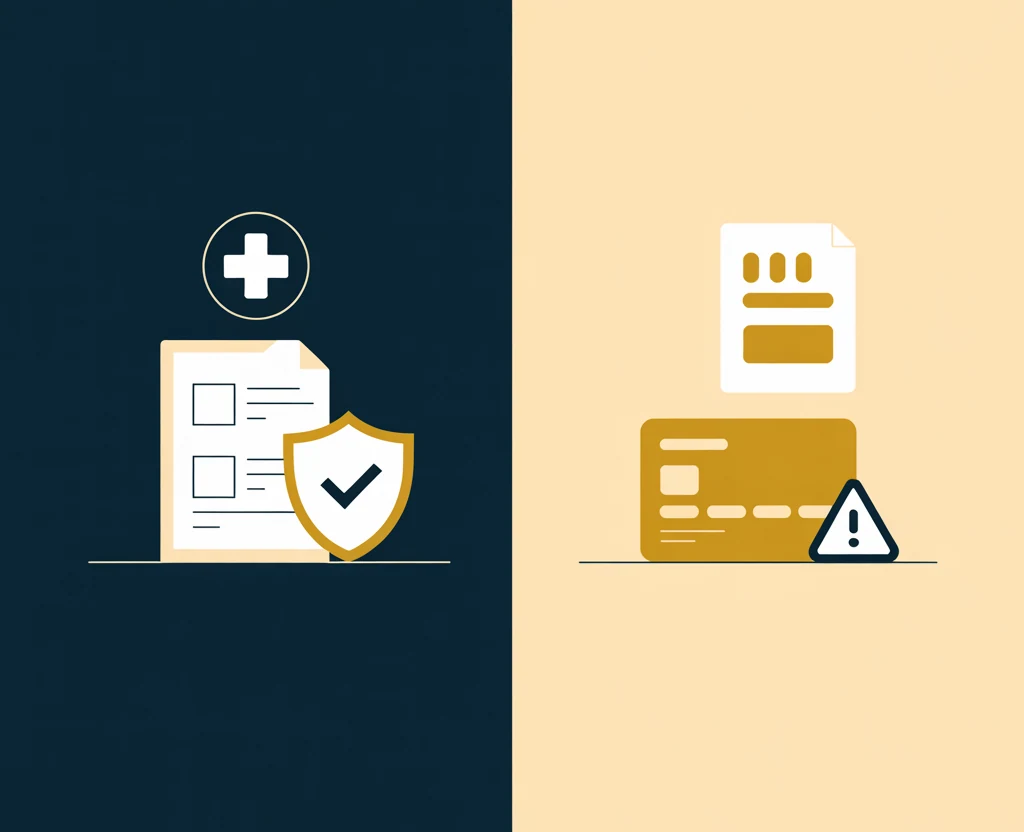
The three major credit bureaus -- Equifax, Experian, and TransUnion -- made voluntary changes in 2022 and 2023. In July 2022, they removed paid medical debts and extended the reporting delay from six months to one year. In April 2023, they removed all medical collection debts under $500.
These are policy choices by the bureaus, not the same thing as a nationwide statutory ban. They matter in practice, but they can change.
The State Law Landscape
While the federal rule fell away, a growing number of states adopted their own medical-debt reporting limits. The exact scope varies. Some laws focus on what consumer reporting agencies may include in a report, while others address furnishing or collection conduct.
Because the state-law landscape is changing, consumers should verify the rule that applies in their state at the time they dispute the tradeline.
Illinois: One of the Strongest Protections
Illinois Public Act 103-0648 (815 ILCS 505/2EEEE), effective January 1, 2025, makes it unlawful for a consumer reporting agency to furnish a consumer report containing adverse information related to medical debt. The law amends the Illinois Consumer Fraud and Deceptive Business Practices Act.
The statute defines medical debt as debt arising from the receipt of health care services, products, or devices. It does not cover medical bills charged to a credit card or an open-end or closed-end extension of credit from a financial institution -- unless that credit can only be used for medical purposes.
The practical effect: if you are an Illinois resident and medical debt appears on your credit report, the credit bureau may be violating state law. That gives you a dispute basis beyond the standard FCRA accuracy requirements.
For a full guide to disputing credit report errors, see our FCRA dispute guide.
How to Fight Medical Debt on Your Credit Report
Obtain your credit reports from all three bureaus at annualcreditreport.com. Identify any medical debt tradelines. If you live in Illinois or another state with a medical debt reporting ban, file a dispute with each bureau citing the specific statute. If the medical debt is inaccurately reported -- wrong amount, wrong dates, wrong provider, or debts that were paid or covered by insurance -- dispute those inaccuracies under the FCRA.
Under 15 U.S.C. § 1681i, the credit bureau must investigate your dispute and respond within 30 days. If the bureau fails to conduct a reasonable reinvestigation or leaves inaccurate information in place, you may have FCRA remedies. Under 15 U.S.C. § 1681n and § 1681o, the available relief depends on whether the violation was willful or negligent and can include actual damages, attorney's fees, and in some willful cases statutory and punitive damages.
The FCRA, like the FDCPA, is a fee-shifting statute. Under 15 U.S.C. § 1681n and § 1681o, a successful consumer can recover actual damages, statutory damages, and attorney's fees. You pay nothing out of pocket.
What This Means for You
The nationwide rule did not survive. But if you live in Illinois, state law still gives you a powerful argument against medical debt appearing on a consumer report. Outside states with added protections, consumers often have to rely on the bureaus' voluntary policies plus ordinary FCRA accuracy rights.
Regardless of where you live, if medical debt is dragging down your credit report, you have options. Dispute inaccuracies. Assert state law protections where they exist. And if a debt collector threatened to damage your credit with medical debt that should not have been reported, that may be an FDCPA violation on top of an FCRA violation.
Contact Hyslip Legal for a free case review. We handle both FDCPA and FCRA cases, and we can assess whether the medical debt on your report gives rise to a legal claim. The consultation is free, and if we take your case, our fees are paid by the other side.
Related Reading
This information is for educational purposes only and does not create an attorney-client relationship with Hyslip Legal, LLC. Legal outcomes depend on the facts of each case.