
In August 2023, the landscape of the credit repair industry shifted violently. PGX Holdings (the parent company of Lexington Law and CreditRepair.com) filed for Chapter 11 bankruptcy following a massive $2.7 billion settlement with the Consumer Financial Protection Bureau (CFPB).
For years, these companies were the giants of the industry. Now, they serve as a cautionary tale.
If you were a client of Lexington Law or CreditRepair.com, or if you're considering hiring a credit repair service today, here is exactly what you need to know about the lawsuit, the "illegal fees" that caused it, and your rights moving forward.
Why Were They Sued? (The "Upfront Fee" Trap)
The CFPB's case hinged on a specific violation of the Telemarketing Sales Rule (TSR). Under federal law, credit repair companies that use telemarketing cannot charge you a dime until after they have produced a result.
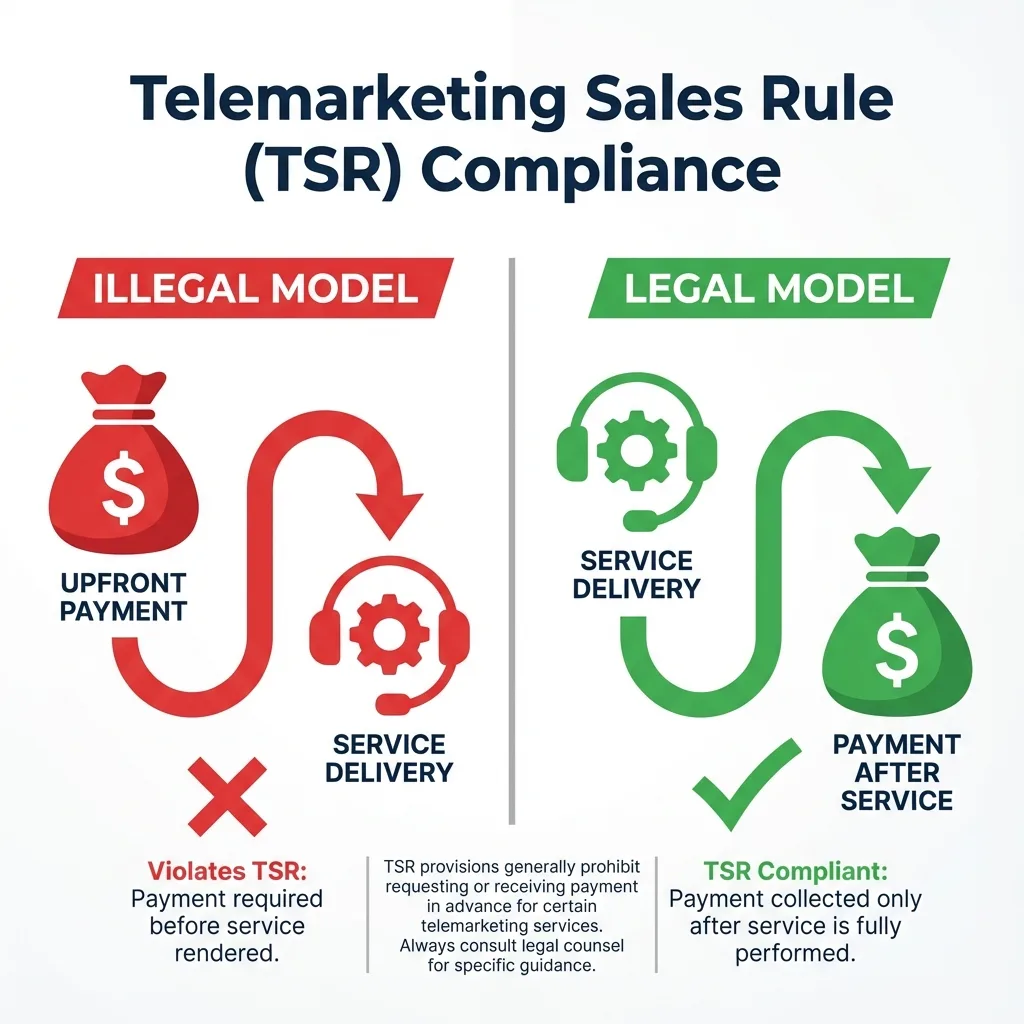
The Illegal Practice:
Lexington Law and CreditRepair.com were accused of charging monthly fees before demonstrating that they had successfully removed negative items from consumers' credit reports. The court ruled that this standard "monthly subscription" model for telemarketed credit repair violated the 6-month delay rule required by the TSR.
The $2.7 Billion Settlement: What it Means for You
For Former Clients
The court entered a judgment of $2.7 billion against the companies for consumer redress. However, because PGX declared insolvency, they could not pay the full amount.
Will you get a refund? Maybe. The CFPB manages a "Civil Penalty Fund" that is sometimes used to compensate victims when the defendant is insolvent. As of late 2023, the CFPB is still determining the distribution process.
For Current Consumers
This ruling sends a clear message: Do not pay upfront fees for credit repair.
- Red Flag: Any company asking for a "setup fee" or "first month's payment" before doing work.
- Green Flag: Companies that bill after an item is deleted (Pay-Per-Delete) or offer a free initial audit.
How to Legally Fix Your Credit Now
With the giants stumbling, many consumers are asking: "Where do I go now?" You have two safe, legal options:
DIY Dispute (Free)
You don't need a company. You can dispute errors directly with Equifax, Experian, and TransUnion for free using the dispute portal on their websites or by certified mail.
Hire a Consumer Protection Attorney
Unlike credit repair "clinics," attorneys are held to strict ethical standards. If a creditor or bureau violates the FCRA (Fair Credit Reporting Act), an attorney can sue them—often at no cost to you (the violator pays the legal fees).
Did you know? If a credit bureau refuses to remove a verifiable error, you may be entitled to damages under the FCRA.