
The Problem with "Convenient" Texts
Debt collectors love text messaging. It's cheap, instant, and hard to ignore. But there's a reason the FDCPA was written before the iPhone existed: debt collection is practically synonymous with privacy invasion. And text messages are the "leakiest" form of communication there is.
The "Lock Screen" Violation
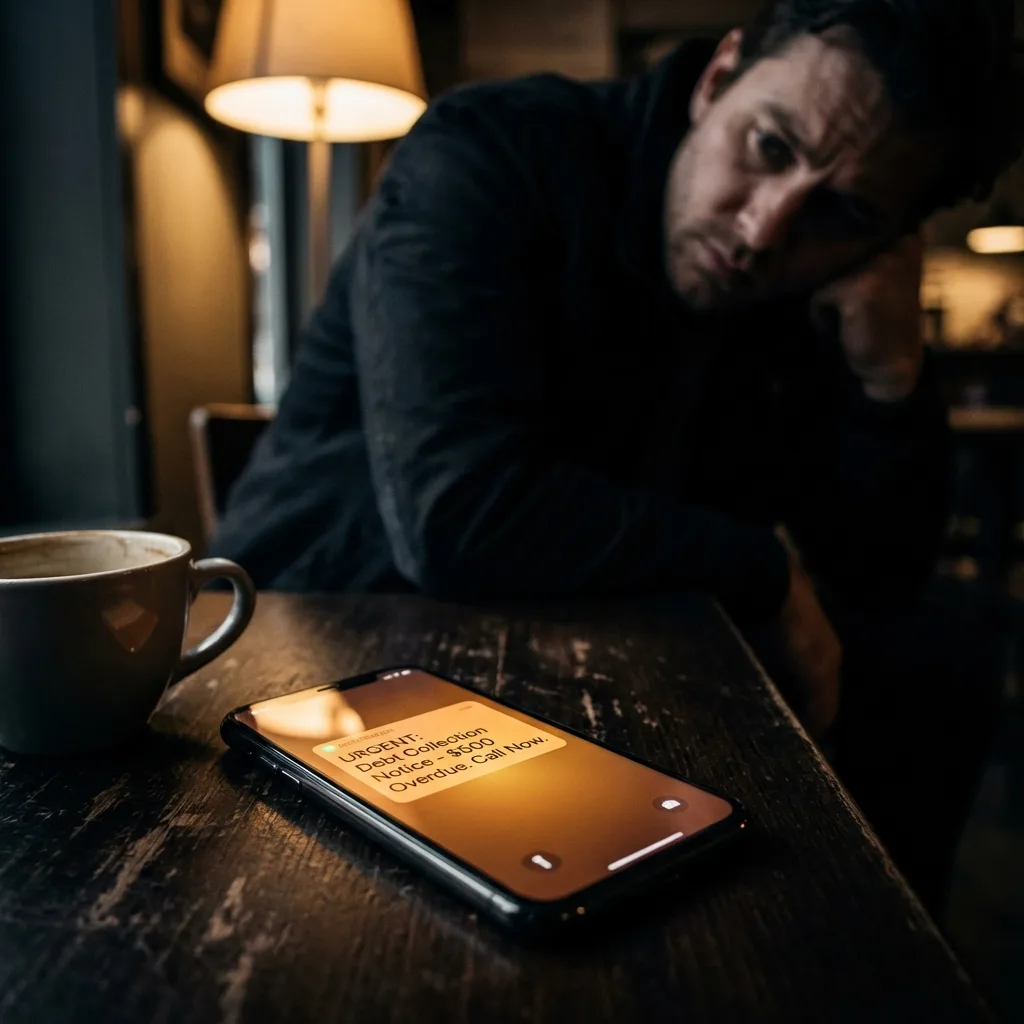
Most smartphones display notification previews on the lock screen by default. This means when a debt collector texts you, the message—"Please pay your $500 debt to Revco..."—lights up your screen for anyone nearby to see.
If your phone is sitting on a conference table at work, or on the kitchen counter at home, and a third party (like a boss, coworker, or roommate) sees that message, the debt collector may have just violated 15 U.S.C. § 1692c(b).
Why Intent Doesn't Matter
Debt collectors often argue, "We didn't mean for your friend to see it!" The law generally doesn't care about their excuses. The FDCPA is a strict liability statute. This means if they communicate your debt to a third party without your permission, they are liable for damages. They chose to use a risky medium like SMS; they bear the burden of that risk.
Protect Your Digital Privacy
You have the right to demand that debt collectors stop texting you. If you are receiving texts:
- Reply "STOP" immediately. This revokes any prior consent they claim to have.
- Screenshot everything. If a text pops up and someone else sees it, document the incident. Who saw it? Where were you?
- Check your consents. Be careful when using online dispute portals, as they often hide "consent to text" clauses in the fine print.
If a debt collector has exposed your private financial information to others via careless texting, contact Hyslip Legal. We can help you enforce your privacy rights.